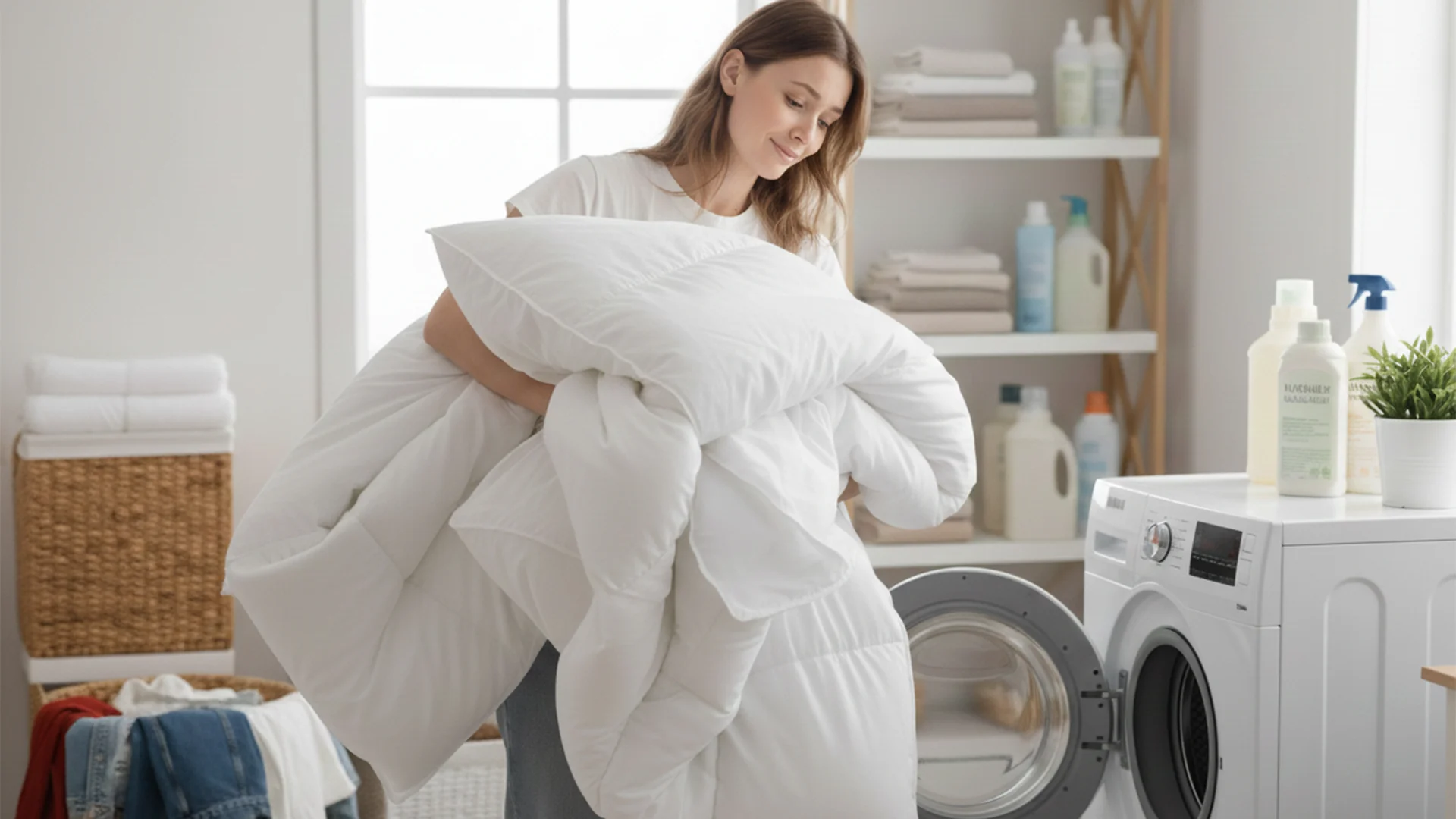
Keeping your comforters clean at home is important for your family’s health, sleep quality, and daily comfort. Comforters are used every night and often collect dust, sweat, and everyday dirt over time. Canadian Linen understands that families need bedding that is easy to care for without complicated cleaning steps. With the right approach, you can clean comforters at home and keep them soft, fresh, and ready for regular use.
Why Regular Comforter Cleaning Is Important
Comforters may look clean on the surface, but regular use means they need proper care.
Hygiene and family health
Clean bedding supports better sleep and helps reduce allergens in the home.
- Removes dust and skin particles
• Helps reduce odors
• Supports cleaner sleeping spaces
• Suitable for children and adults
Extending comforter life
Proper cleaning helps maintain the comforter’s structure and softness.
- Keeps the fill evenly spread
• Prevents fabric wear
• Maintains color appearance
• Supports long-term use
Understanding Your Comforter Material
Before washing any comforter, it is important to understand its materials.
Microfiber shell explained
A microfiber shell is designed to feel smooth and handle regular use.
- Soft texture that feels gentle
• Durable fabric for repeated washing
• Resists heavy creasing
• Holds color well
Microfiber fill care needs
Microfiber fill provides warmth while remaining lightweight.
- Needs even washing for balance
• Dries faster than heavier fills
• Maintains shape with proper care
Canadian Linen reversible comforters use microfiber shell and fill, making them suitable for home washing routines.
Preparing Comforters for Washing
Preparation helps protect the comforter during cleaning.
Check the care label
Always read the care instructions before washing.
- Confirms water temperature
• Shows drying guidance
• Helps avoid fabric damage
Pre-wash inspection
Inspecting the comforter prevents small issues from becoming bigger problems.
- Check for loose stitching
• Look for stains that need attention
• Ensure no tears are present
Spot cleaning stains
Treat stains before placing the comforter in the washer.
- Use mild detergent
• Dab gently on stained areas
• Avoid harsh scrubbing

Washing Comforters at Home
Washing comforters correctly helps keep them soft and well-shaped.
Choosing the right washer
Comforters need space to move during washing.
- Front-load washers work best
• Top-load washers should be large capacity
• Avoid overcrowding the drum
Water temperature selection
The right temperature protects fabric and fill.
- Use cold or lukewarm water
• Avoid hot water for microfiber
• Helps reduce color fading
Detergent use
Using the correct detergent amount is important.
- Mild detergent works best
• Use less than regular loads
• Avoid bleach products
Canadian Linen comforters are designed to handle regular home washing when these steps are followed.
Drying Comforters the Right Way
Drying is just as important as washing.
Machine drying tips
Proper drying prevents clumping and uneven fill.
- Use low to medium heat
• Add dryer balls if available
• Pause drying to shake comforter
Air drying options
If machine drying is limited, air drying can also work.
- Lay flat on a clean surface
• Turn periodically for even drying
• Ensure full dryness before use
Avoiding moisture issues
Comforters must be fully dry to stay fresh.
- Check inner fill for dampness
• Extend drying time if needed
• Prevents unwanted odors
Caring for Reversible Comforters
Reversible comforters need simple care to keep both sides looking good.
Washing both sides evenly
Flipping the comforter during washing helps maintain balance.
- Ensures even cleaning
• Protects stitching
• Keeps both colors fresh
Preserving color choices
Two-color comforters need gentle care to maintain their look.
- Wash with similar colors
• Avoid strong detergents
• Turn inside out if needed
Canadian Linen reversible comforters in Navy Blue and Light Blue, and Dark Grey and Black, are designed to maintain their appearance with proper home care.
How Often Should Comforters Be Cleaned?
Cleaning frequency depends on household use.
Regular household use
For most families, comforters should be cleaned on a routine schedule.
- Every two to three months
• More often for children’s beds
• After illness or heavy use
Using protective layers
Using top sheets can reduce washing frequency.
- Acts as a barrier
• Keeps comforter cleaner longer
• Easy to wash weekly
Storage Tips After Cleaning
Proper storage helps keep comforters fresh between uses.
Short-term storage
For comforters used seasonally, simple storage steps help.
- Store fully dry
• Use breathable bags
• Avoid plastic sealing
Long-term care
Good storage protects fabric and fill over time.
- Keep in cool, dry spaces
• Avoid direct sunlight
• Shake before reuse
Canadian Linen recommends proper storage to maintain comforter softness and shape throughout the year.
Conclusion
Cleaning comforters at home does not need to be complicated when you follow the right steps. From understanding microfiber materials to using proper washing and drying methods, families can keep their bedding fresh and comfortable. Reversible comforters with microfiber shell and fill are well-suited for regular home care, making them a practical choice for busy households. Canadian Linen recommends its 2-color Reversible Comforters as an easy-care bedding option that supports clean, comfortable sleep for families across Canada.
FAQs
Can microfiber comforters be washed in a home washing machine?
Yes, microfiber comforters can be washed at home using a large-capacity washer and mild detergent.
How often should comforters be cleaned?
Most families should clean comforters every two to three months or more often if needed.
Is it safe to machine dry comforters?
Yes, comforters can be machine dried using low to medium heat with proper airflow.
How do you prevent comforter fill from clumping?
Shaking the comforter during drying and using dryer balls helps keep the fill evenly spread.
Why are Canadian Linen reversible comforters easy to maintain?
They use microfiber shell and fill that supports regular washing, quick drying, and long-term use.